Historic Land Transfer
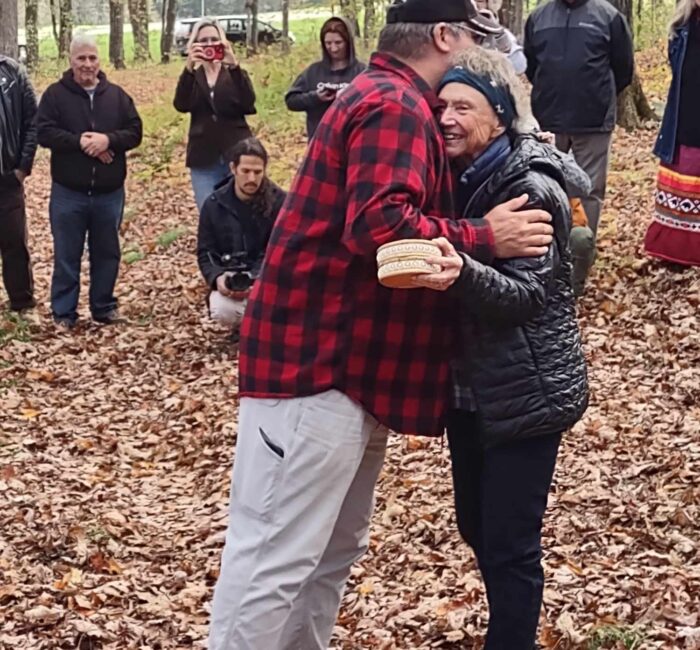
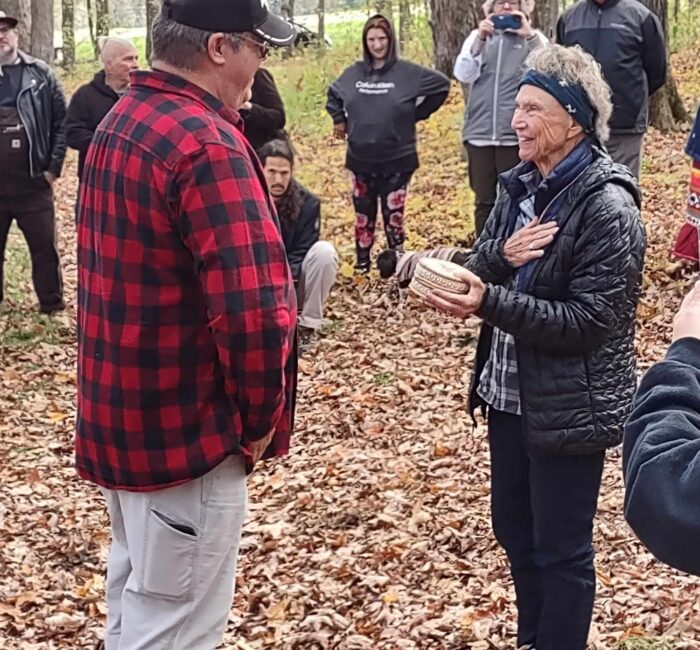
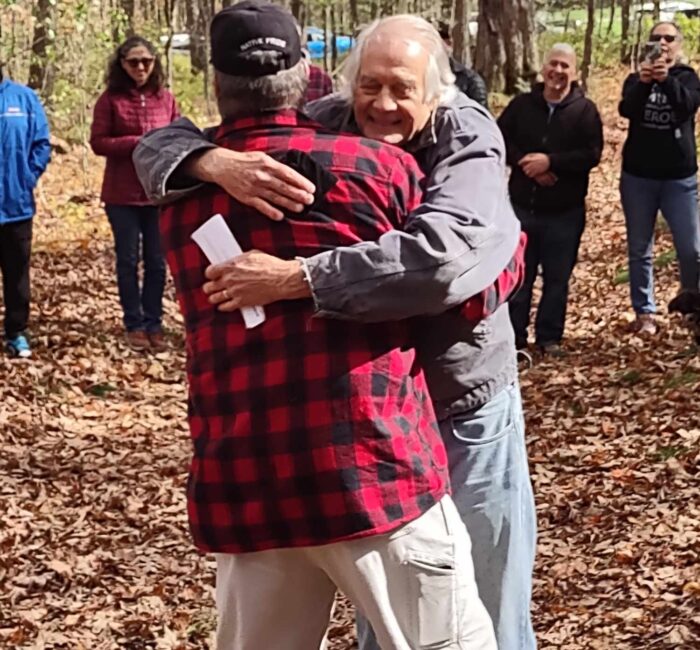
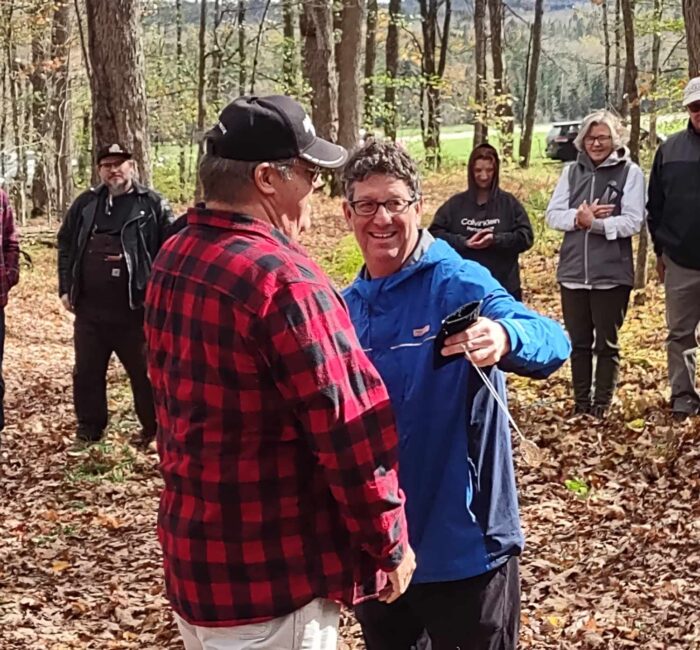
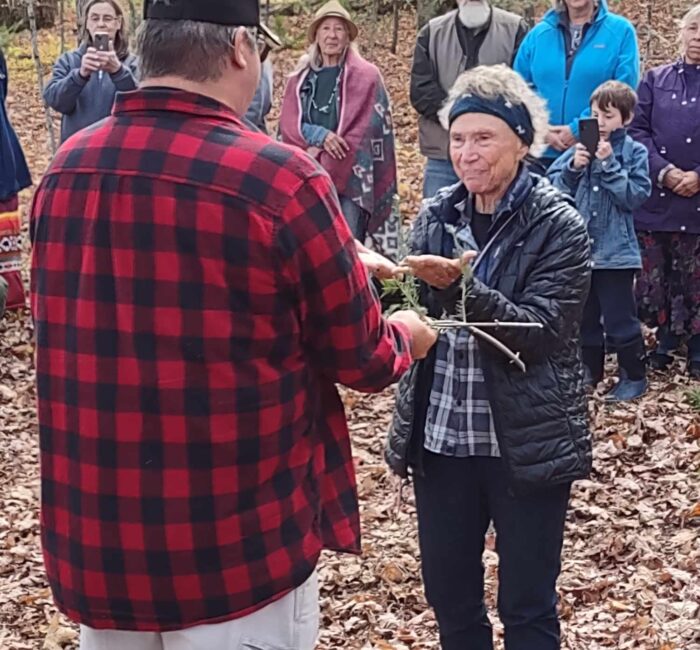
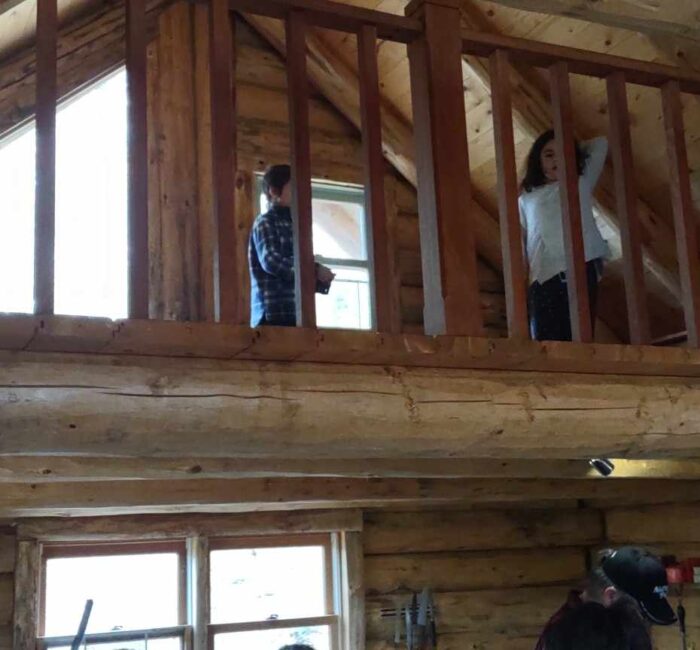
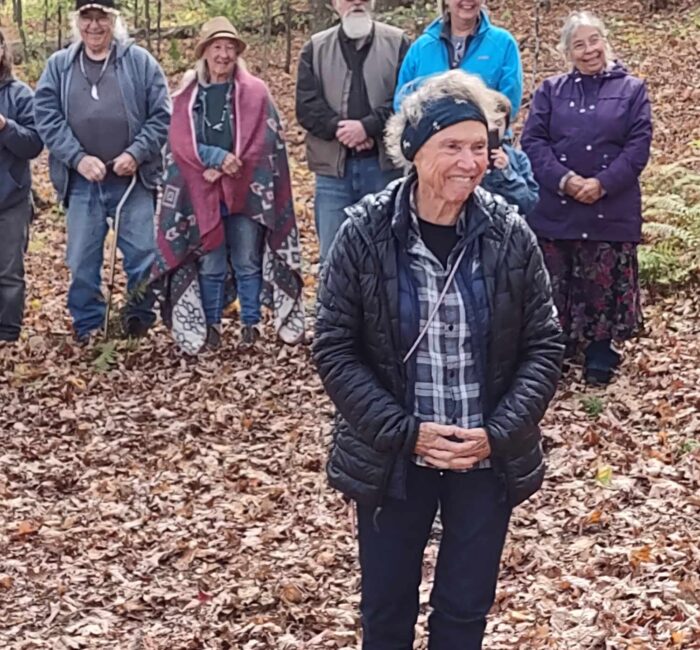
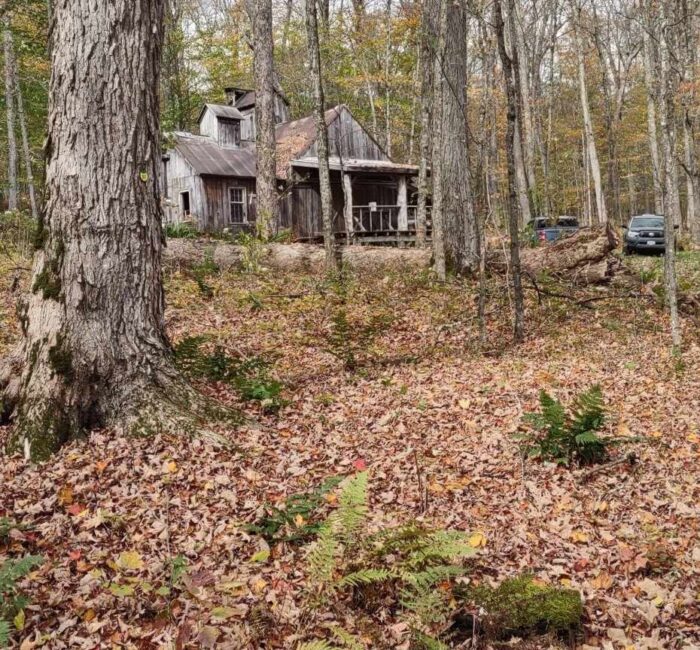
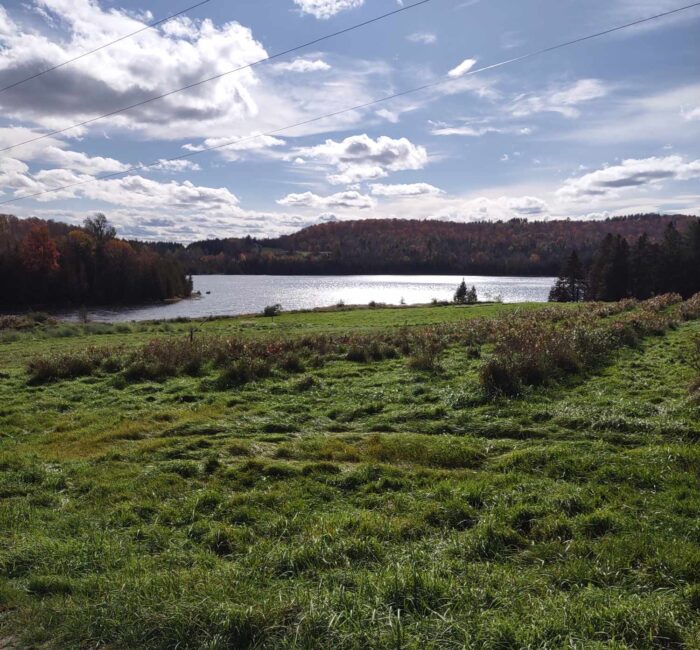
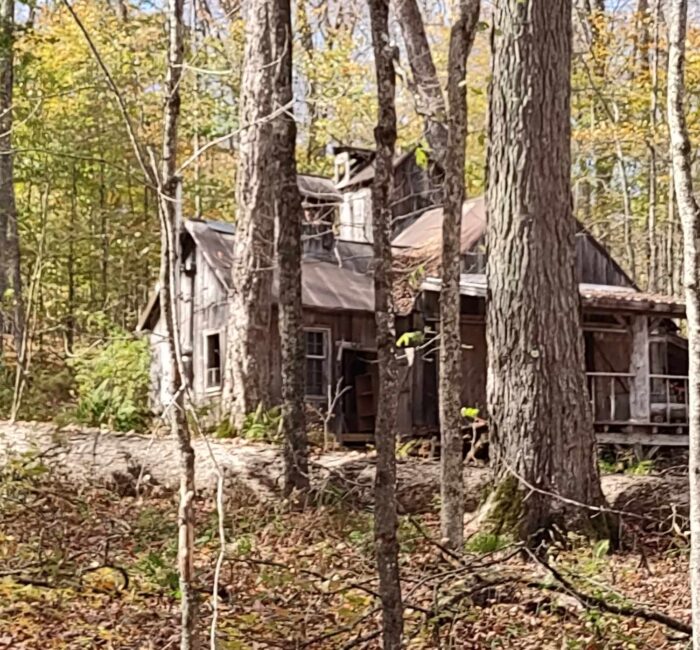
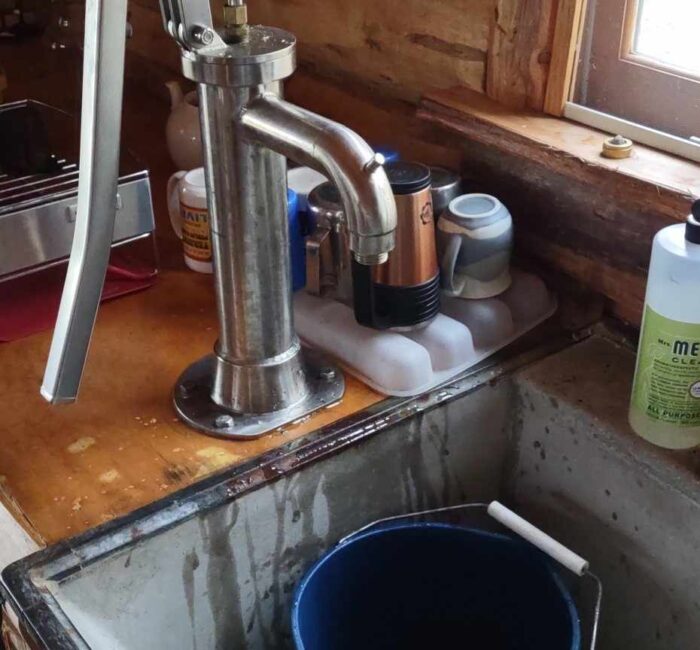
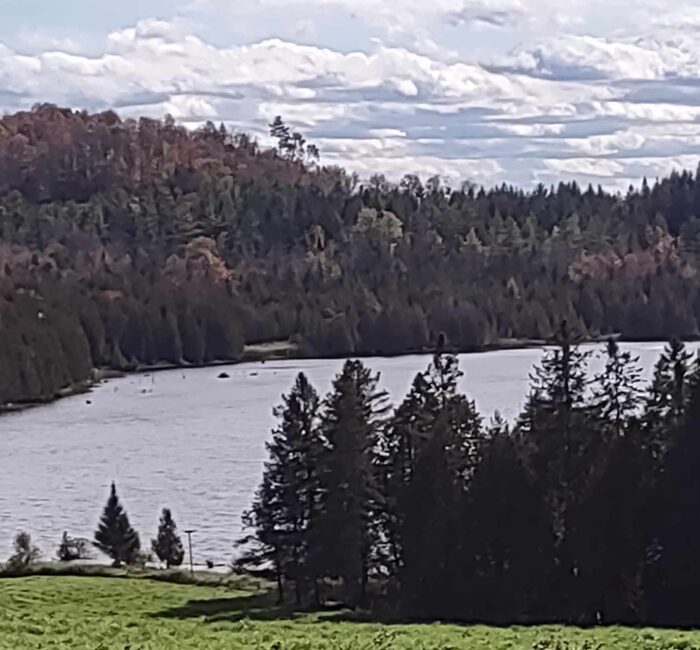
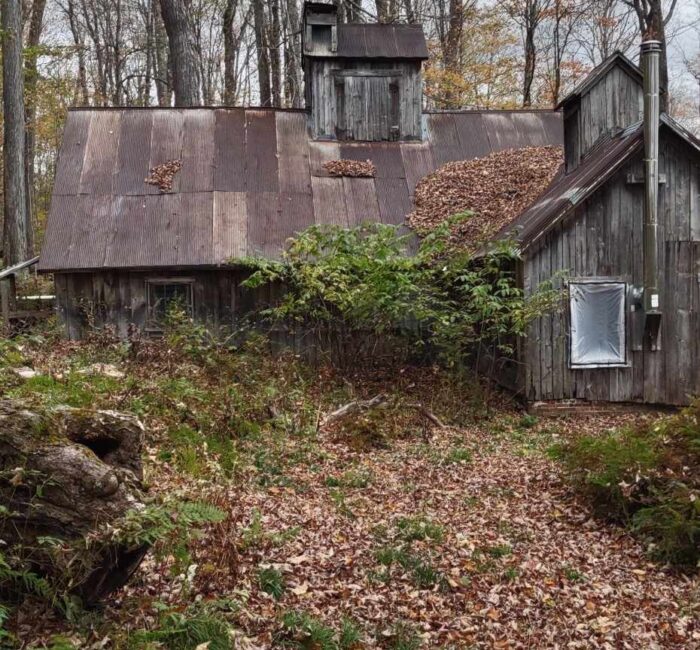
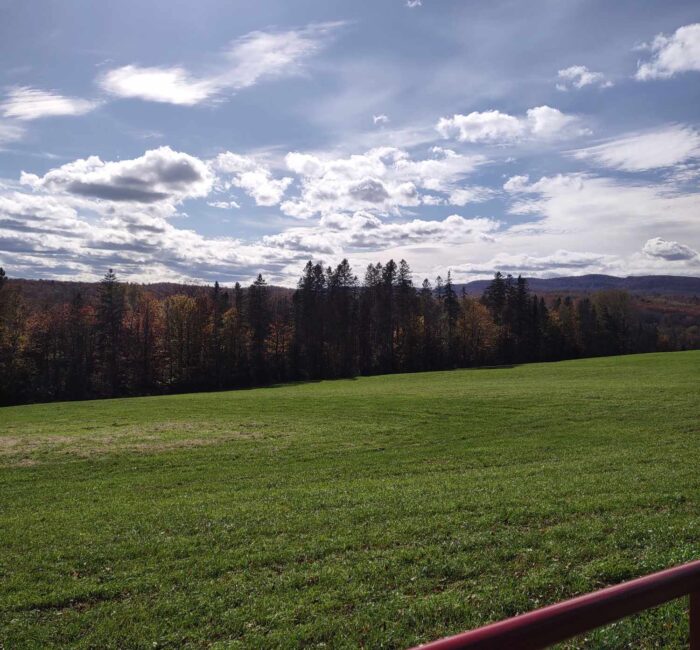
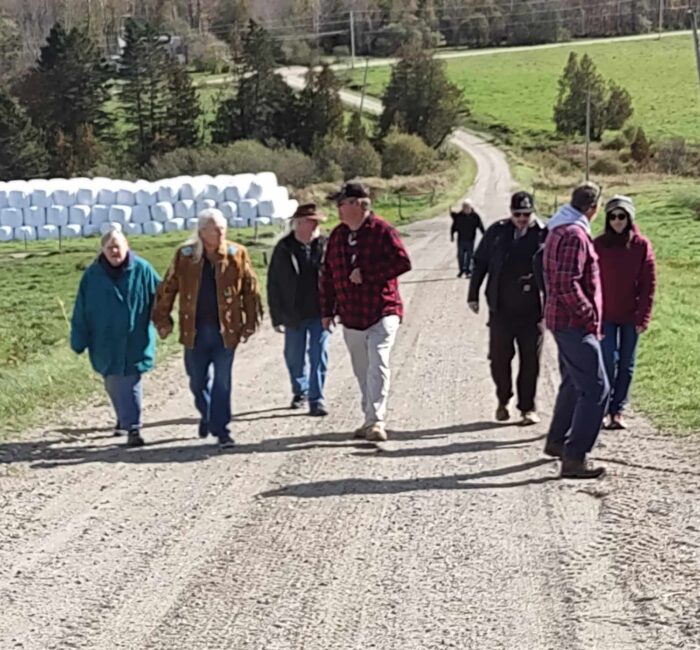
The Nulhegan Tribe and AHA has completed the land transfer on a 354 acre parcel of land located near Lyndonville, VT. This land has a cabin and sugarhouse located on the property. It is all woodland and has no agricultural areas.
This is a proud moment in recapturing some more of our land back within our homelands. We now have two locations for our citizens to go and reconnect to the land.
Important – Please read!
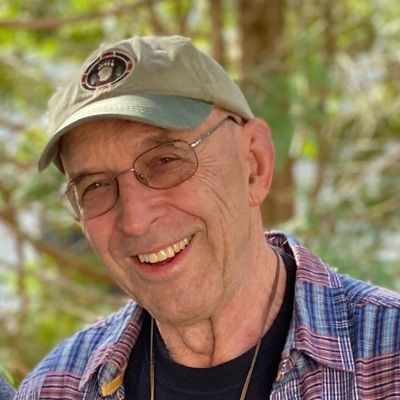
Dr. Joseph Bruchac is a citizen of Nulhegan and an acclaimed author. Recently, he wrote “An Open Letter to the Times Union Editorial Staff” which was immediately followed up by a letter from Jeff Benay, Ed.D. You are encouraged to read both letters.
Please click the Dr. Bruchac’s picture to visit his website and read the letters. While on his website, you will also have the opportunity to subscribe to his daily posts.
Seventh Generation to provide funding for curriculum on VT native tribes
From WCAX-TV website: ” Vermont-based eco-friendly cleaning company Seventh Generation is teaming up with the Vermont Commission of Native American Affairs to bring new curriculum into the state’s schools.” Please click on the following button to read the article and watch the news release.
Historic Abenaki Tribal Recognition, Insight, and Celebration
The standing of the Vermont Abenaki Tribes recognized by the State of Vermont is being challenged by the Odonak First Nation Tribe of Quebec. The Odonaks are claiming purity of lineage as the only rightful claim to the Abenaki standing in VT. They have also sent letters to Vermont cons- ervation and environmental funding organization requesting they withhold funding to any of the 4 Vermont tribes.
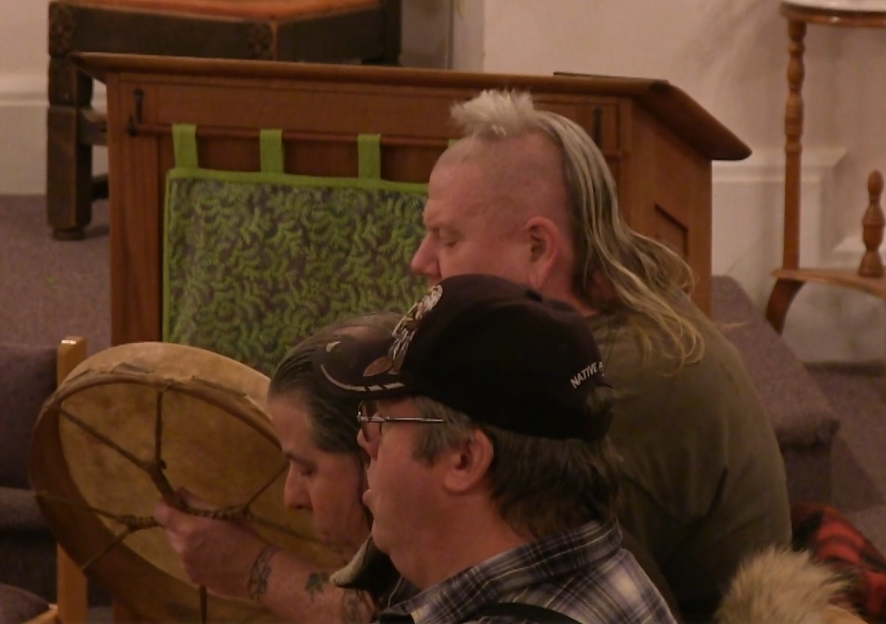
This conflict may be confusing to many. The presentation focuses on the Vermont Abenaki’s position, why this is important, and what all Abenakis should be striving for. This is more than an information session. It is designed to expose the participant to a greater appreciation of Abenaki culture.
Respect for nature will be our spiritual salvation
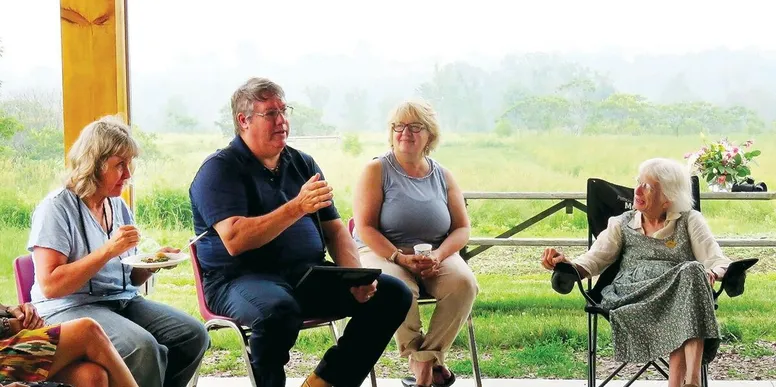
In June 2023, the South Burlington Land Trust presented its annual award to the Western Abenaki people who honored and protected the land and all beings in what the city. The mission of the land trust stresses cooperation with communities to preserve the land. The Abenaki are an abiding inspiration for our organization and a conscience for all people. Chief Don Stevens accepted the award.
Interview about Vermont’s State Recognized Tribes
Pat McDonald fills-in as host today. In the second hour, she’s joined in-studio by Chief Don Stevens, Chief of the Nulhegan Band of the Coosuk-Abenaki Nation, to talk about a recent challenge disputing the legitimacy of Vermont’s State Recognized Tribes.
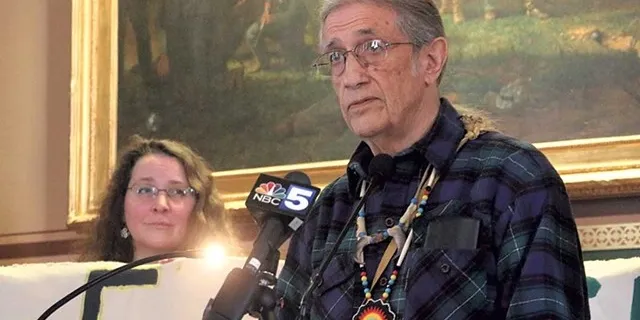
Fighting Between Québécois and Vermont Abenaki Tribes Puts Conservation Groups in a Bind
When environmental activists recently gathered at the Statehouse to push for cleaner energy, they began with what has become commonplace at public events in Vermont — a land acknowledgment.
Earl Hatley, a member of the Abenaki Nation of Missisquoi, strode to a podium wearing a bear-claw necklace. “Kwai,” Hatley said, using the tribe’s traditional greeting. “Today we acknowledge that we live on and share and help protect the ancestral lands of the Abenaki Nation, the Alnôbak.”
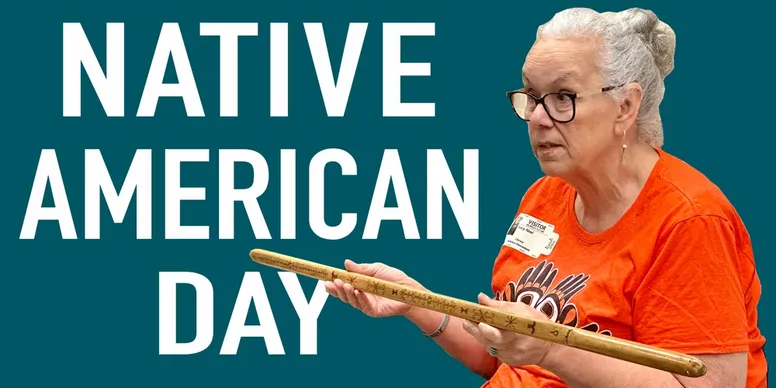
Native American Day at Castleton Elementary School
Castleton, VT June 2023 — “Close your eyes. Imagine a world with no cell phones, no computers, no electronics at all; no planes, trains, or automobiles. Listen closely and hear the birds singing, rivers flowing, and wind blowing.” This is how guest speaker Lucy Cannon-Neel addressed the 4th grade class at Castleton Elementary School. She continued, “Travel back in time 1,000 years, long before the pilgrims landed on Plymouth rock, before any European explorers touched the northeastern portion of what is now called the United States.” Ms. Cannon-Neel then had the students open their eyes to see a descendant of the people who were here at that time. She was referring to herself, for Ms. Cannon-Neel’s ancestors were Native Americans from the Nulhegan Band of the Coosuk Abenaki Nation.
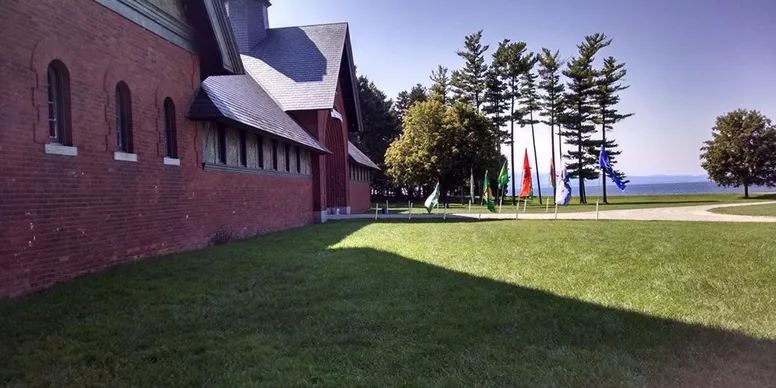
Shelburne Museum plans new building for Indigenous Art
Read about the 9,750 square foot building at the Shelburne Museum that is set to feature Indigenous Art from more than 80 bands across America.

Abenaki Alliance: Is Vermont being lobbied for Nuremberg Laws?
The past few weeks have seen Governor Scott and the full congressional delegation affirm their support for the four Vermont tribes, and announce the launch of the Truth and Reconciliation Commission to examine past discrimination and state-sanctioned eugenics. At a time when Indigenous people should be united in celebrating these monumental strides for our people, Odanak and Wôlinak seem intent on using our media and public education system to lobby for Nuremberg Laws-like verification and cultural annihilation.
What Is The Status Of The Abenaki Native Americans In Vermont Today?

Vermont General Assembly Bill S.R. 11 Passed
Senate resolution supporting the continuing resiliency and strengthening of the Abenaki communities in Vermont and encouraging a greater appreciation and respect for Abenaki culture during Abenaki Recognition and Heritage Week and throughout the year.
In the Abenaki language, “saskadena” (sahs-kah-deena) means “standing mountain.”
It was chosen by the resort team with input from Chief Don Stevens of the Nulhegan Band of the Coosuk-Abenaki Nation to honor the original inhabitants of the land and the mountain’s multi-generational legacy and values of community, inclusion, adventure, discovery, and fun. The name sends a powerful message of connection both to the deeper history of the mountain with the Abenaki nation and to the present-day community at large.
The “Six” of our name comes from the very beginning in 1936 when Wallace “Bunny” Bertram picked the hill labeled “number 6” on a local map that highlighted potential mountains that could be the location for his rope tow-served ski area.