About Title VI — Indian Education
TITLE VI — INDIAN, NATIVE HAWAIIAN, AND ALASKA NATIVE EDUCATION
PART A — INDIAN EDUCATION
It is the policy of the United States to fulfill the Federal Government’s unique and continuing trust relationship with and responsibility to the Indian people for the education of Indian children. The Federal Government will continue to work with local educational agencies, Indian tribes and organizations, postsecondary institutions, and other entities toward the goal of ensuring that programs that serve Indian children are of the highest quality and provide for not only the basic elementary and secondary educational needs, but also the unique educational and culturally related academic needs of these children.
(a) PURPOSE- It is the purpose of this part to support the efforts of local educational agencies, Indian tribes and organizations, postsecondary institutions, and other entities to meet the unique educational and culturally related academic needs of American Indian and Alaska Native students, so that such students can meet the same challenging State student academic achievement standards as all other students are expected to meet. (b) PROGRAMS- This part carries out the purpose described in subsection (a) by authorizing programs of direct assistance for — (1) meeting the unique educational and culturally related academic needs of American Indians and Alaska Natives; (2) the education of Indian children and adults; (3) the training of Indian persons as educators and counselors, and in other professions serving Indian people; and (4) research, evaluation, data collection, and technical assistance.
Title VI Indian Education Coordinator
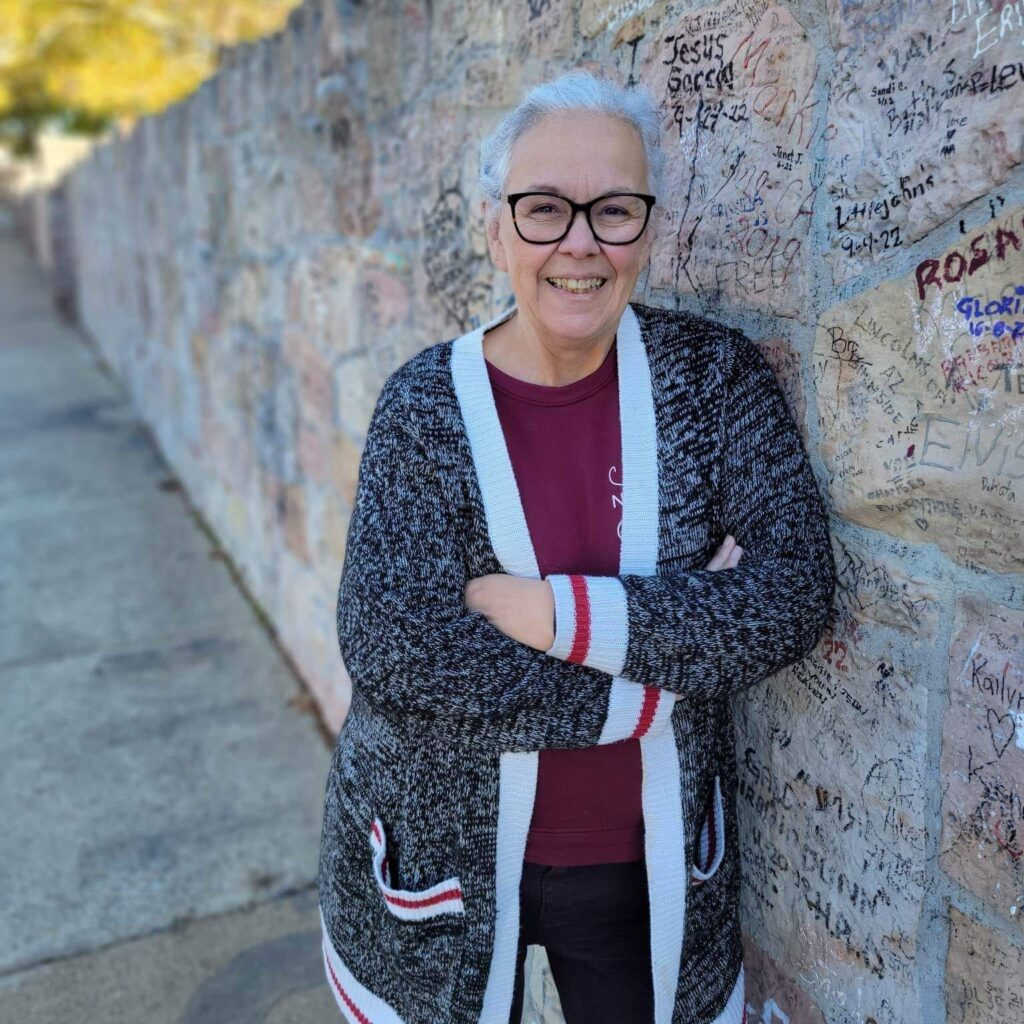
Miss Lucy Cannon-Neel is the coordinator for Nulhegan covering Caledonia Central Supervisory Union, North Country Supervisory Union, and Orleans Central Supervisory Union.
A Taste of Abenaki Culture Workshop
Teaching the Children
Lucy Neel is the Nulhegan Education Coordinator for the Nulhegan Band of the Abenaki Tribe. Ms. Neel is also a board member of the AHA, Inc. (Abenaki Helping Abenaki). She, often with a team of volunteers, travels to several parts of Vermont teaching about Abenaki heritage in schools and coordinating with after-school programs. With the benefit of a Title 4 grant we were able to ask Miss Lucy to lead a workshop for our grades program.
Telling the Story of the Abenaki
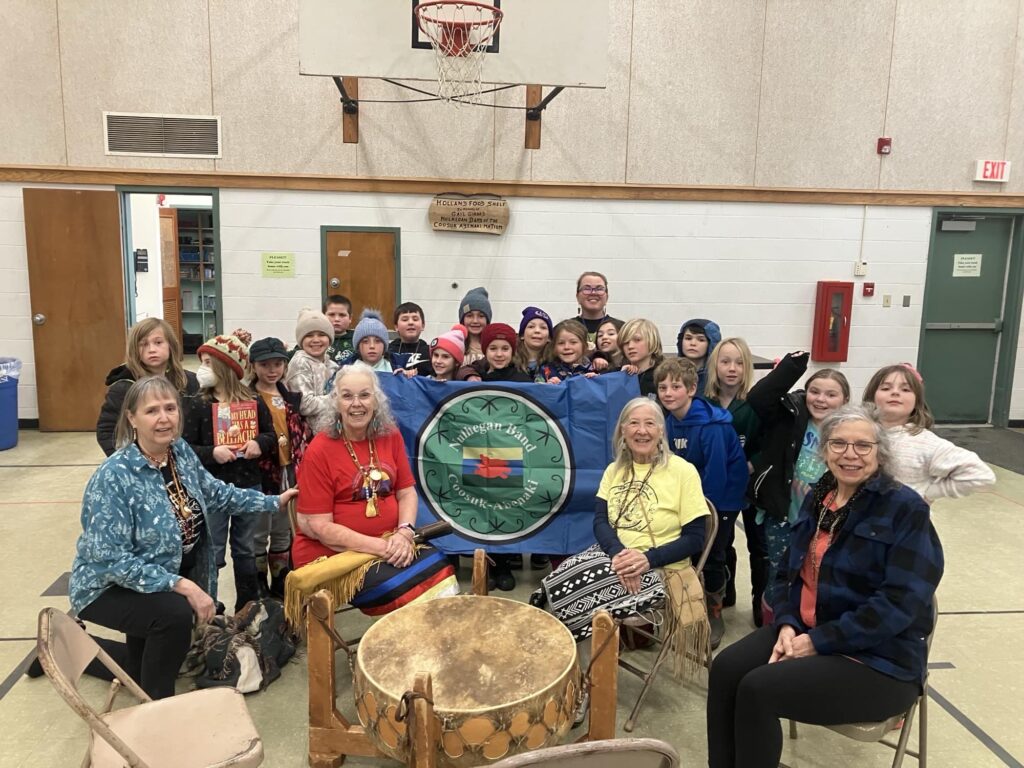
Miss Lucy brought a 4 day workshop to the grades program over three days. She began with telling the history of the Abenaki Tribe and their many Bands. Starting with the Vermont Abenaki History pre-contact, when the Europeans arrived, lifestyle changes, and Abenaki citizens in Vermont today. To help tell the story she had three baskets full of Abenaki crafts and art to pass around to each student.
Singing and Dancing
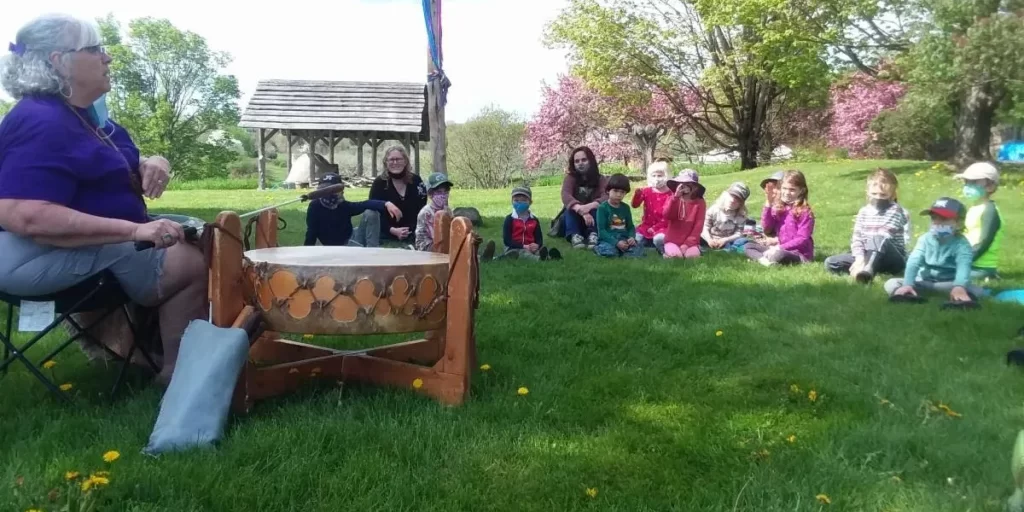
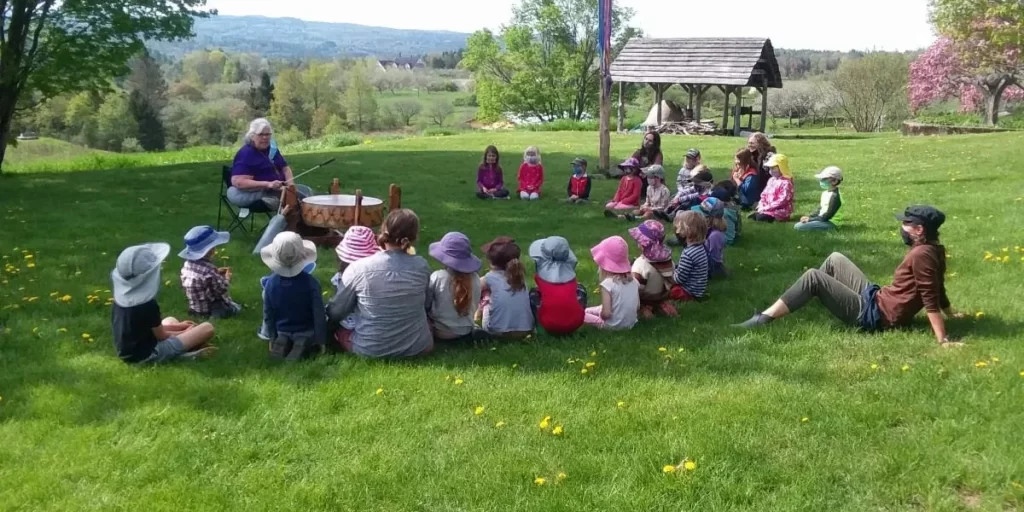
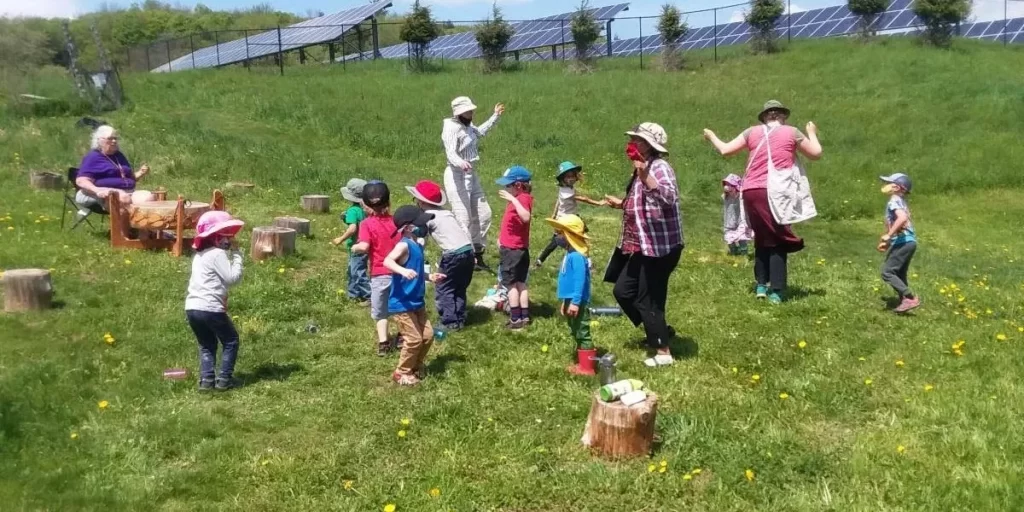
The final day was spent outside. Miss Lucy brought her drum to share with the students. Students sat under a pavilion spaced around the drum, each with a drum stick as Miss Lucy led them in traditional Abenaki drumming, every student having a turn. Our new Facilities person Tom Beck of the Nulhegan Band joined the 5-8 and ¾ classes in drumming. She then had them circle out in the grass to learn a dance and the Honor Water Song. Even though it was raining a little and a bit cold everyone sang, danced and the drumming could be heard throughout the school.
“Miss Lucy wanted so much to spend time with the kindergarten students that she offered to donate one morning with them. She brought her drum, dance and song to the Apple Tree and Farm & Forest students and then to The Child’s Garden. Miss Lucy told me every day she was here that our students are incredible. So creative and so smart. She loves our school. She truly appreciated the Thank You cards from the ½ class and can not wait to come back for another visit next year.”
Meg Scherbatskoy, DEI Committee
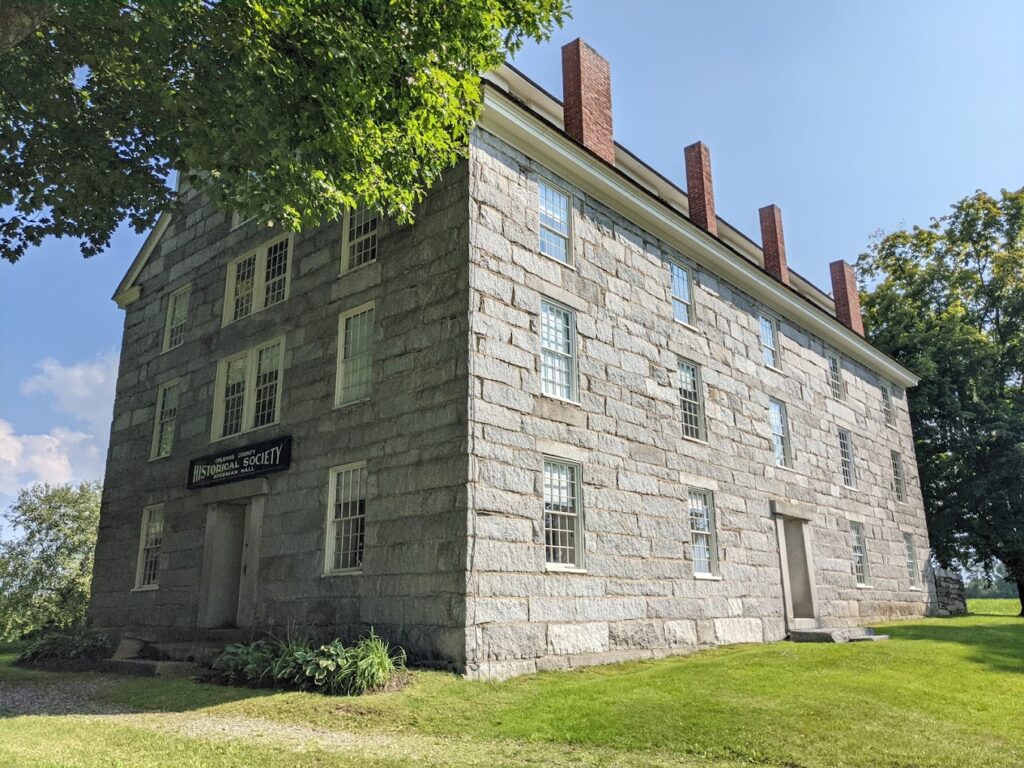
Nulhegan Regularly Participates in the “All School Days” Programs
These programs are put on in the Spring and in the Fall.
“Our expert educational staff and volunteers offer a wide variety of programs that engage your students with hands-on learning and transport them back in time.”
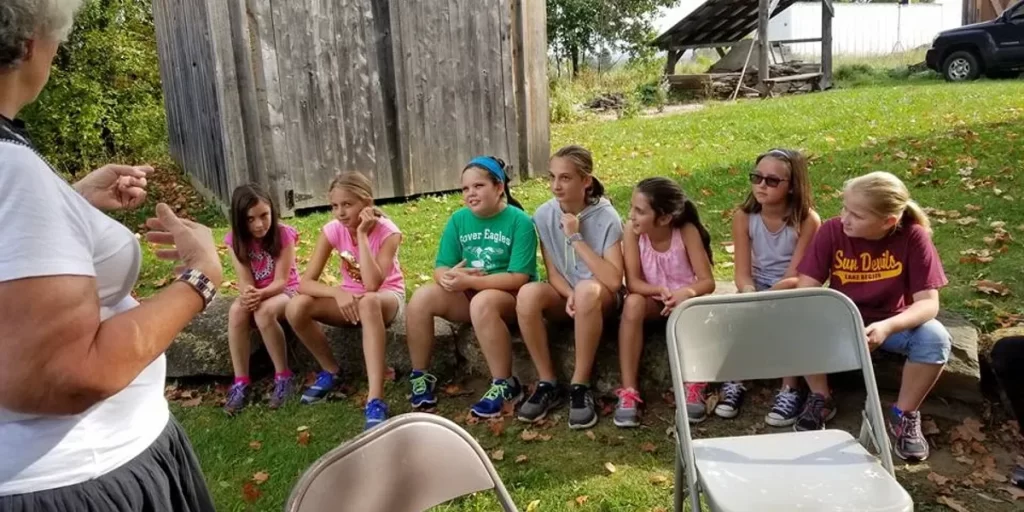
Citizens of Nulhegan teach the children
Children are taught about our traditions – past and present.
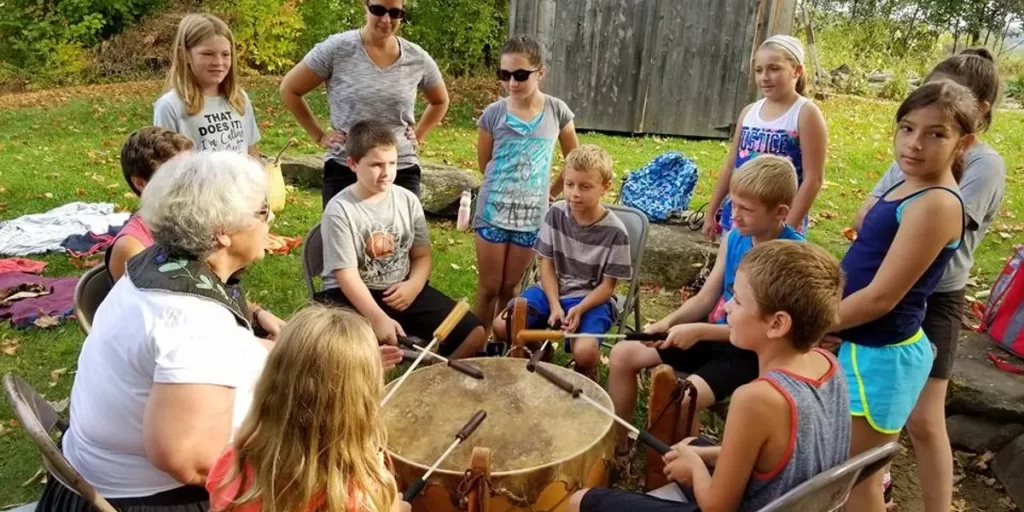
The Native American Drum is Shared
Every child has the opportunity to sit at the drum and learn a native song.
Listen to some of the school children sing and drum!
The children are taught how to drum and they learn a song. This is a group from the Fall Harvest Festival in 2017 with Gail Girard, who has since passed on, leading the group. We miss Gail and all she did for our children.
Teaching tool for children
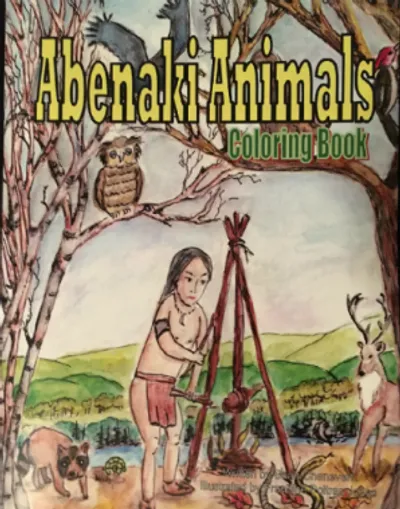
The Abenaki language is one of many indigenous languages in American which is currently in jeopardy of being lost forever. This coloring book is just one small effort to get the Abenaki language into the hands, hearts, and minds of children who are our best chance of saving this language. In addition, all proceeds from the sale of this coloring book will go directly to Nulhegan Abenaki youth in the form of higher education scholarships. We thank you for your support!
Coloring Books cost $5 each plus shipping and handling. Please note that shipping costs are determined by the quantity of books ordered and the location to which they are shipped.
To order, please send an email to Nicole St. Onge or to Miss Lucy Cannon-Neel. Please provide the quantity you wish to purchase plus your name, address, and phone number. Checks will be made out to AHA (Abenakis Helping Abenakis) Thank you!
Attention Teachers!
— From the WCAX-TV News Release:
” Vermont-based eco-friendly cleaning company Seventh Generation is teaming up with the Vermont Commission of Native American Affairs to bring new curriculum into the state’s schools.”
Additional Resources Available
— the Abenaki Arts and Education Center website…………
is full of information for teachers, which includes resources and curricula.
Thank you for your support!
Your contributions will enable us to meet our goals, by supporting Abenaki Helping Abenaki, Inc. We are a small not-for-profit, 501(c)(3), community-based organization charged with addressing the social, economic, cultural, and health needs of the Abenaki and American Indian communities.